



This is our Land.
We are the Land.
The Tahltan Stewardship Plan (TSP) titled “Keep Our Trails Open”, developed through the Tahltan Stewardship Initiative (TSI), brings transformative change based on the recognition of Tahltan Title and Rights.
Click icon to listen
Keyeh
Tahltan relationship with the land
Across the river from Telegraph Creek, the slopes of the mountain are often concealed by cloud, hiding the sheep that graze there. We call this mountain Tsē Ghādetsenī, which means “Stingy Mountain.” In the Spatsizi valley, west of the river, a pinnacle of rock juts out from the mountainside.
This place is called Tenqalati’ya, named after the hunter who turned into rock after he cursed the goats he was hunting. In the mountain range east of Kinaskan Lake is a mountain called Chosyan mīkeh, meaning “ram snare.” The name Kinaskan itself, derived from the Tāłtān name K’ineskehne, means “raft crossing.” These place names show how our culture is embedded in the land. Values for us are not abstract concepts, but are lived in our relationship to place. Our stories are always stories about the land and the people and animals that inhabit it. Stingy Mountain reminds us of the importance of sharing. The pinnacle of rock called Tenqalati’ya warns us to be respectful in our treatment of game animals. The importance of sheep in our culture speaks to us at Ram Snare Mountain. The name of Kinaskan Lake points to the network of trails, bridges and raft crossings that connected every part of our land, making it Keyeh, our home.

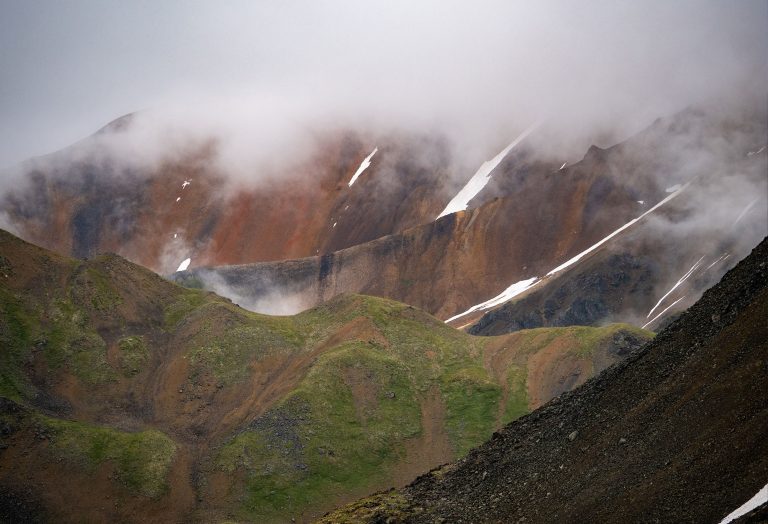
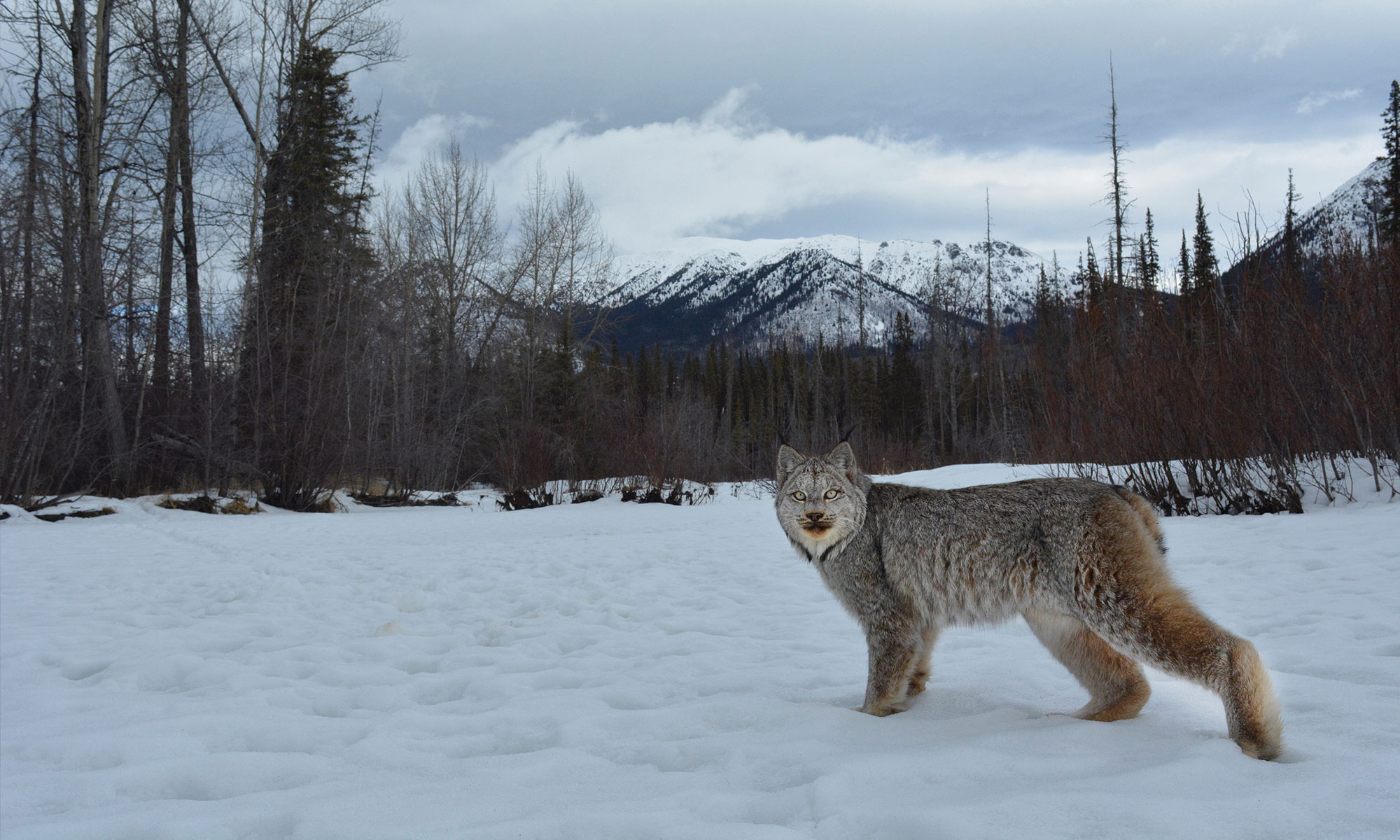
The word we Tahltans use to describe our relationship to the land is Keyeh. This word is usually translated as village or place, but it means more than this. Keyeh also means home—our home—the unique place where we as Tahltans belong. Keyeh can encompass all the country now called Tahltan Territory; it can also refer to Tahltan village on the Stikine River—the spiritual centre of the Tahltan homeland; or it can simply refer to a village. Keyeh includes the specific geographic and environmental characteristics of our country, just as it includes all of its residents, human and non-human. It is an interconnected whole made up of the relationships between humans, animals, spirits, mountains, waters and weather systems. This whole has a cultural and spiritual meaning—the place that is home for us.
Featured Projects
The Tahltan Nation has developed and finalized a Tahltan Stewardship Plan (TSP) through the Tahltan Stewardship Initiative (TSI). The Tahltan Stewardship Plan outlines Tahltan principles for caring for and stewarding all land within Tahltan Territory.
During the July 2024 Annual General Assembly of the Tahltan Nation in Dease Lake, British Columbia, the Tahltan Stewardship Plan titled “Keep Our Trails Open” was presented and approved by the assembly.With the approval of the Tahltan Stewardship Plan – after a decade of work including engaging our people – the Tahltan Nation is progressing to the next phase, with the Tahltan Stewardship Plan serving as our guiding light.

The Tahltan Nation has developed and finalized a Tahltan Stewardship Plan (TSP) through the Tahltan Stewardship Initiative (TSI). The Tahltan Stewardship Plan outlines Tahltan principles for caring for and stewarding all land within Tahltan Territory.
During the July 2024 Annual General Assembly of the Tahltan Nation in Dease Lake, British Columbia, the Tahltan Stewardship Plan titled “Keep Our Trails Open” was presented and approved by the assembly. With the approval of the Tahltan Stewardship Plan – after a decade of work including engaging our people – the Tahltan Nation is progressing to the next phase, with the Tahltan Stewardship Plan serving as our guiding light.
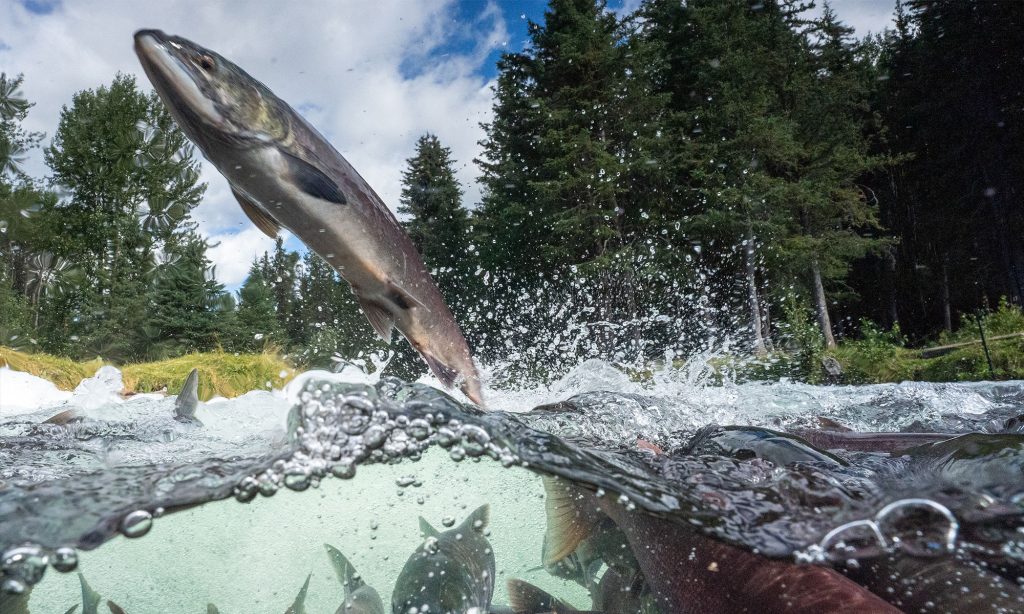
Tahltan Principles
Tahltan stewardship practices are based on our relationship to Keyeh. In maintaining a right relationship with our land, salmon, wildlife, forests and rivers, there are many tools that we can use. Some of these are technical and scientific tools, and some arise from the knowledge we acquired over thousands of years, passed down from generation to generation. Walking in two worlds means that we are open to using whatever tools are best for the job at hand. And we are willing to do the work.

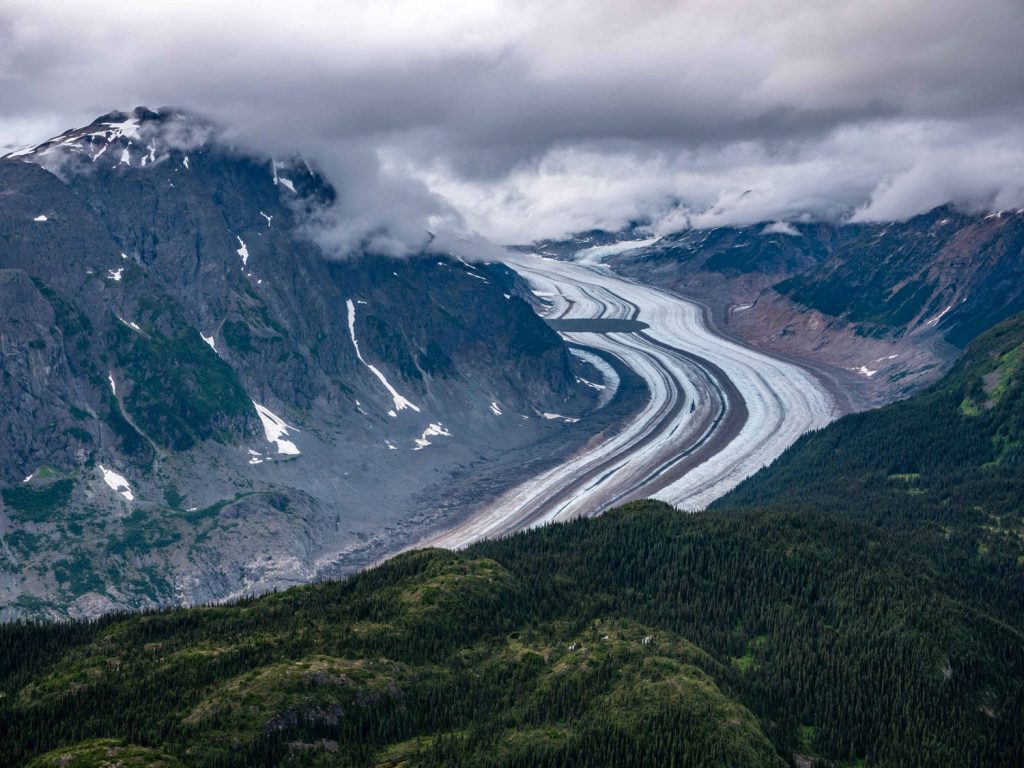
For Non-Tahltan
The principle of kinship recognizes the interconnectedness between all things. This is fundamental to the ecosystem-based management principle of integrated management, and requires a stewardship approach based on watershed- ecosystems as the basic units of land use planning. Interconnections must be accounted for across spatial and temporal scales, so short-term, long-term, and cumulative effects of land use must be considered. The land as a whole and each of its parts must remain healthy to ensure ecosystem resilience and integrity.
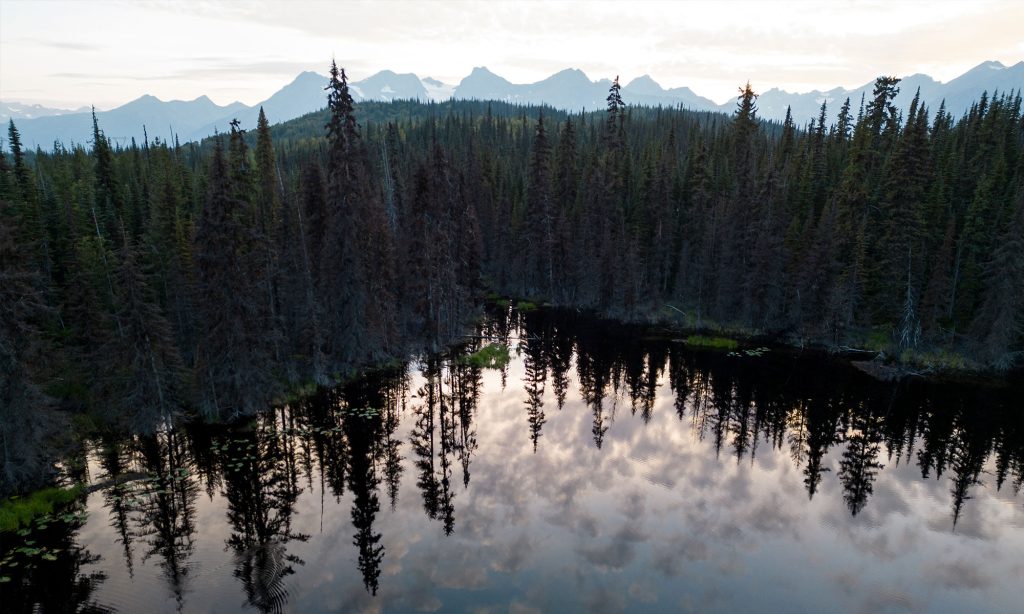
Conservation Areas
The principle of kinship recognizes the interconnectedness between all things. This is fundamental to the ecosystem-based management principle of integrated management, and requires a stewardship approach based on watershed- ecosystems as the basic units of land use planning. Interconnections must be accounted for across spatial and temporal scales, so short-term, long-term, and cumulative effects of land use must be considered. The land as a whole and each of its parts must remain healthy to ensure ecosystem resilience and integrity.
Featured Projects

Lorem ipsum dolor sit amet, consectetur adipiscing elit, sed do eiusmod tempor incididunt ut labore et dolore magna aliqua. Sit amet cursus sit amet. Nunc aliquet bibendum enim facilisis gravida neque.
The bottom line is that the land must be treated with respect. If you do not respect the land it will kill you—the health of the land is our number one priority. How you respect the land shapes how you are respected as a person and how you are respected by Ahdigi dene ti’e [Tahltan’s Creator] throughout your life.